16. júna 2026
DoubleTree by Hilton Bratislava
Product text...
Informácie pre návštevníkov
Dátum/Date: 16. jún 2026
Miesto/Venue: Bratislava
Členovia nášho tímu na mieste
Members of our team on site

Peter Bartišek
Event Manager
peter.bartisek@mafraslovakia.sk
+421 917 612 887
Miesto/Venue
Bezpečnosť nie je samozrejmosť
Security Is Not Absolute
 Diskusné fórum Hospodárskych novín
Na konferencii sa budeme venovať dôležitým okruhom tém, týkajúcich sa obrany a bezpečnosti Slovenskej republiky. Medzi otázky, ktoré budú rezonovať na podujatí, sú dosahy vojny
na modernizáciu ozbrojených síl a vojenských kapacít, vnútorná bezpečnosť Slovenskej republiky a výzvy, ktoré nás čakajú v oblasti
kyberbezpečnosti.
Účasť na konferencii je na pozvánky. Auditórium tvoria veľvyslanci akreditovaní v Slovenskej republike, predstavitelia bezpečnostných zložiek a mimovládnych organizácií a členovia HNClubu,
ktorí sú generálnymi a finančnými riaditeľmi veľkých firiem
a inštitúcií na Slovensku.
Konferencia sa konáva pod záštitou Ministerstva obrany SR, Ministerstva vnútra SR a Ministerstva investícií, regionálneho rozvoja a informatizácie SR.
Hospodárske noviny Discussion Forum
The conference will address important topics related
to the defense and security of the Slovak Republic. Among
the issues that will resonate at the event are the impact of the war on the modernization of the armed forces and military capacities,
the internal security of the Slovak Republic and the challenges
that await us in the field of cybersecurity.
Cybersecurity as one of the top challenges for the state and an opportunity for Slovak technological companies.
Attendance at the conference is by invitation only and consists
of ambassadors accredited to the Slovak Republic, representatives of security forces and non-governmental organizations and members of HNClub, who are general
and financial directors of large companies and institutions
in Slovakia.
The conference is traditionally held under the auspices
of the Ministry of Defence of the Slovak Republic,
the Ministry of the Interior of the Slovak Republic
and the Ministry of Investments, Regional Development
and Informatization of the Slovak Republic.
Ako vojna mení slovenskú armádu a bude zbrojárstvo čiernym koňom slovenského hospodárstva?
Vojna na Ukrajine vstúpila do piateho roku a eskalácia napätia na Blízkom východe naznačuje, že svet už zďaleka nie je taký bezpečný, ako sme si mysleli. Členské krajiny NATO si odsúhlasili, že na obranu začnú dávať 5 percent HDP. Bude to ale v súčasných nových geopolitických pomeroch znamenať bezpečnú planétu?
Slovensko v posledných rokoch spustilo najväčšiu modernizáciu armády vo svojej histórii. Okrem zbraňových systémov pôjde aj o nové technológie a komunikačné prostriedky. Ako sa mení armáda a na čo by mala byť pripravená v budúcnosti?
V čase konsolidácie a stagnácie ekonomiky ťahá slovenské hospodárstvo aj zbrojný priemysel. V tomto roku pravdepodobne presiahne tri percentá HDP, ktorým slovenským firmám sa darí, aký ma rozvoj zbrojárskeho priemyslu šancu uspieť celosvetovo? A ako funguje spolupráca štátu a súkromného sektora?
How Is War Transforming the Slovak Armed Forces, and Could the Defence Industry Become a Dark Horse of the Slovak Economy?
The war in Ukraine has entered its fifth year, and the escalating tensions in the Middle East suggest that the world is far less secure than we once believed. NATO member states have agreed to increase defence spending to 5 percent of GDP. But in today’s evolving geopolitical landscape, will this be enough to ensure a safer planet?
In recent years, Slovakia has launched the most extensive modernisation of its armed forces in its history. Beyond new weapons systems, this includes investments in advanced technologies and modern communication capabilities. How is the military changing, and what challenges must it be prepared to face in the future?
At a time of fiscal consolidation and economic stagnation, the defence industry has become one of the drivers of the Slovak economy. This year, it is expected to account for more than three percent of GDP. Which Slovak companies are thriving, what is the global potential of Slovakia’s defence industry, and how effectively is cooperation between the state and the private sector functioning?
Kyberbezpečnosť 2026: Hľadanie novej rovnováhy v ére umelej inteligencie
Rok 2026 môže byť pre kybernetickú bezpečnosť bod zlomu. Už nepôjde len o najmodernejšie technológie. Pôjde o to, kto dokáže vyvážiť inováciu, bezpečnosť, reguláciu a ľudský faktor. Práve táto rovnováha rozhodne, ktoré štáty a organizácie získajú stabilitu a priestor na rast a ktoré zostanú v permanentnom režime hasenia problémov. Masívna, často nekontrolovaná expanzia umelej inteligencie, prechod na postkvantové bezpečnostné štandardy a nedostatok kyberbezpečnostných profesionálovdostávajú celú spoločnosť pod tlak.
Rozpadávajú sa tradičné geopolitické spojenectvá a technológie akcelerujú nevídaným spôsobom. Naše vnímanie bezpečnosti je už dávno prekonané a preto sme nútení definovať nový model spolupráce medzi štátmi, spoločenstvami a aj medzi súkromnou a verejnou sférou.
V kyberneitckej odolnosti platí, že sme takí silní ako najslabšie ohnivko reťaze. A tým najslabším ohnivkom sú dlhodobo ľudia, bežní používatelia. Verejná správa stále zostáva najväčším zamestnávateľom, či už ide o štátnu správu alebo samosprávu. Dokážu mestá, obce, inštitúcie, školstvo a zdravotníctvo vytvoriť dostatočne odolný systém?
Cybersecurity 2026: Seeking a New Balance in the Age of Artificial Intelligence
The year 2026 may prove to be a turning point for cybersecurity. It will no longer be only about the most advanced technologies. The real question will be who can successfully balance innovation, security, regulation and the human factor. This balance will determine which countries and organisations gain stability and room for growth and which remain trapped in a permanent cycle of crisis response. The massive, often uncontrolled expansion of artificial intelligence, the transition to post-quantum security standards and the shortage of cybersecurity professionals are placing the entire society under growing pressure.
Traditional geopolitical alliances are fragmenting while technological development is accelerating at an unprecedented pace. Our traditional understanding of security has long become outdated, forcing us to define a new model of cooperation between states, communities, and between the private and public sectors.
In cyber resilience, the principle holds that a system is only as strong as its weakest link. And that weakest link continues to be people – ordinary users. The public sector remains the largest employer, whether in central government or local administration. The question therefore arises: will cities, municipalities, public institutions, the education system and healthcare be able to build a sufficiently resilient system?
|
9:00-9:30 |
Registrácia & Networking |
|
9:30-9:50 |
Rozhovor s podpredsedom vlády a ministrom obrany SR Robertom Kaliňákom |
| 9:50-10:50 |
1. panelová diskusia "Armáda a zbrojárstvo" |
| 10:50-11:10 | Coffee break |
| 11:10-11:30 | Rozhovor s ministrom investícií, regionálneho rozvoja a informatizácie SR Samuelom Migaľom |
| 11:30-12:30 | 2. panelová diskusia "Kyberbezpečnosť" |
|
11:30-12:30 |
Obed formou bufetu & Networking |
|
|
Spíkri
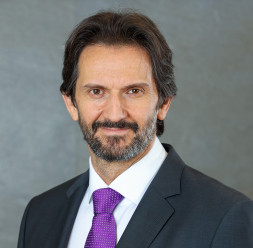
Robert Kaliňák
podpredseda vlády a minister obrany SR
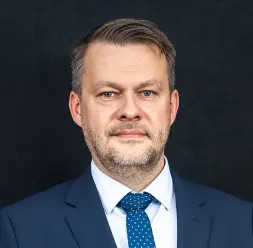
Samuel Migaľ
minister investícií, regionálneho rozvoja a informatizácie SR